Quick answer
How to choose floor lamp height, base stability, shade size, and finish for a living room.
- Place it near the real use
- Compare height with seating
- Check shade direction
- Review base size and stability
- Think about walking paths
- Match shade and finish to the room
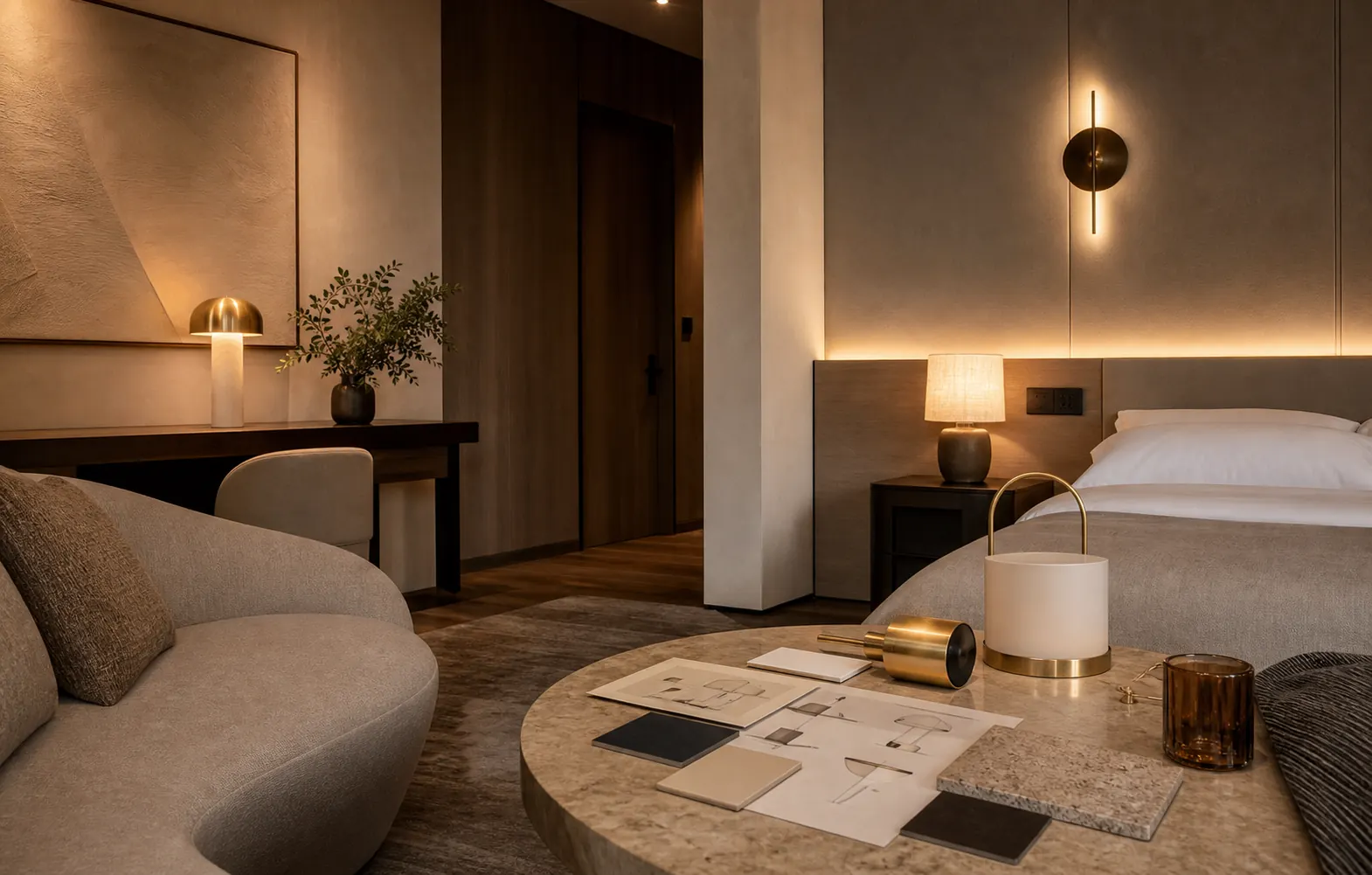
Place it near the real use
A reading floor lamp beside a chair, a soft corner lamp, and a decorative sofa lamp do not need the same height or shade direction. Start by deciding whether the lamp is for reading, background light, room balance, or filling an empty corner.
Compare height with seating
A living room floor lamp should relate to the sofa, chair, side table, and eye level. If the shade sits too low, it may glare while seated. If it sits too high, the lamp can feel disconnected from the seating area.
Check shade direction
Fabric shades usually soften the light, while open metal, glass, or directional shades can create stronger light. A reading lamp needs useful light near the seat. A corner lamp can be softer and more decorative. Shade direction affects comfort more than the product name does.
Review base size and stability
Floor lamps need enough base weight and footprint to feel stable in a living room, especially near seating or walkways. A slim base can look clean, but it should still feel secure. Check base width, pole structure, and whether the lamp looks balanced from the side.
Think about walking paths
A floor lamp should not block normal movement around the sofa, chair, doorway, or coffee table. Deeper tripod or arc lamps need more floor space than straight pole lamps. Product photos should help you understand the real footprint before choosing.
Match shade and finish to the room
A fabric shade softens the light, while metal, glass, or slim forms can feel cleaner and more modern. Compare black, brass, chrome, wood-tone, ceramic, or glass details with nearby furniture, frames, handles, and other lamps.
Check cord placement
Cord position matters in a living room because floor lamps often sit away from the wall or beside seating. A cord crossing a walkway can be awkward. Check where the lamp will plug in and whether the cord colour and length work with the room.
Use photos to judge scale
Floor lamps are tall, so front photos alone can be misleading. Side views, room photos, shade close-ups, and base photos help show height, depth, and balance. If the lamp is for a tight corner, check both overall height and footprint before buying.
Next step
Choose your next step.
If you are still comparing styles, open the product page first. If you already know the product, finish, quantity, or room details you need, use the contact or quote path instead.